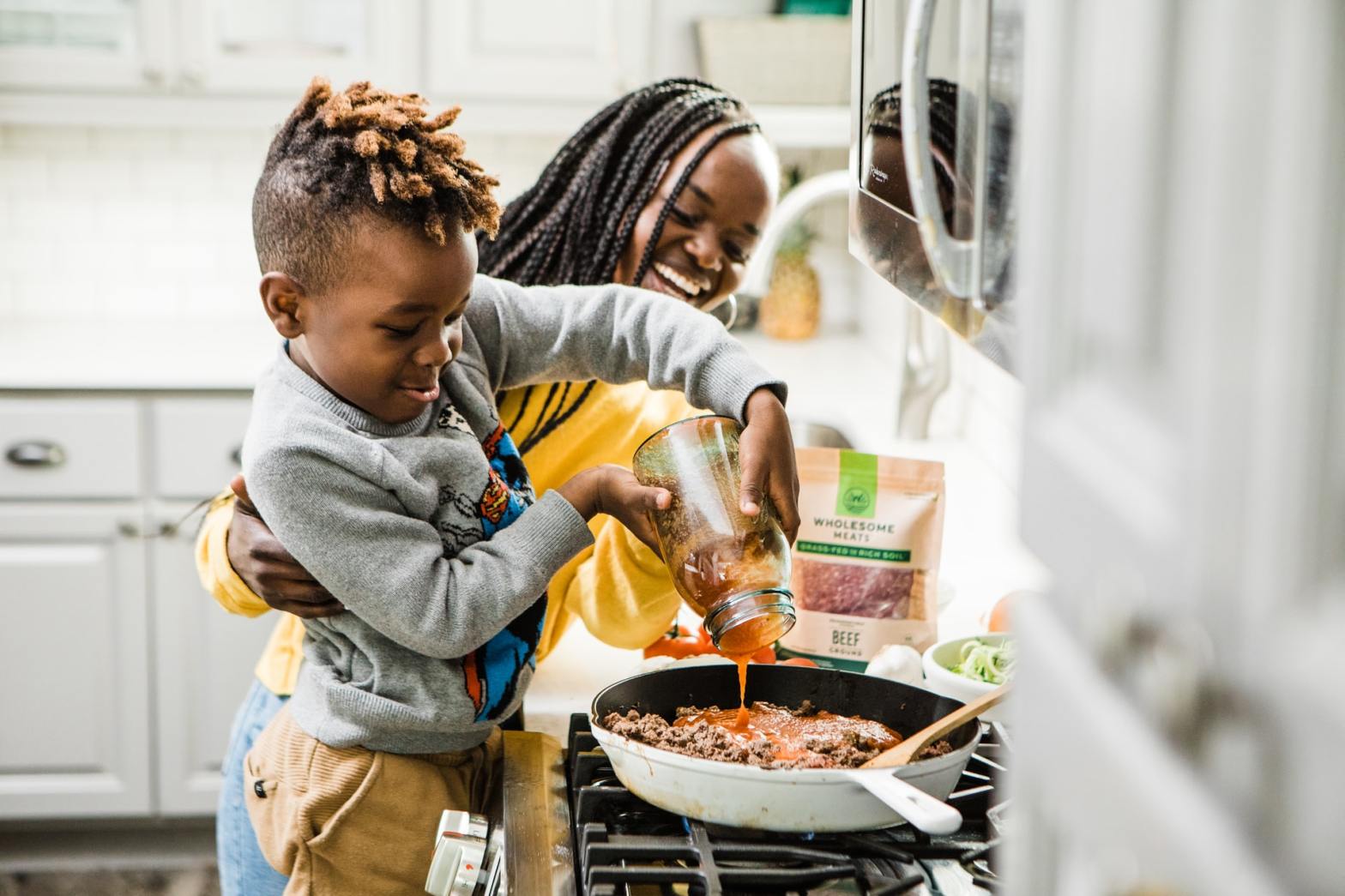
Food never tastes the same in a restaurant as it does when it is prepared at home with love. First of all, the recipes are most likely different. The ingredients used in a home cooked food do not include chemical items to retain freshness. The home cook elevates flavors differently than when food is prepared in a commercial kitchen to serve large numbers of people. Nothing tastes quite as good as when it comes from your kitchen!
Culture comes into play significantly when serving up different styles of food. Different cultures use a variety of spices and herbs to flavor food. When a specific flavor or ingredient lives from one generation to another it might be considered a secret ingredient. But nothing compares to sharing recipes and learning how to cook another culture’s food. Preservation of food and recipes also preserves traditions. How can we preserve traditions in food?
Create a cookbook
Writing a cookbook is not everyone’s cup of tea. While it is a good idea to share family traditions and recipes with the world, it requires an investment of time, effort and money. Food entices the senses and many people love to cook or love to dabble in the kitchen. Food allows families to relive memories of their ancestors. Generations of Good Food, a cookbook by Eleanor Gaccetta, contains many great recipes that span six generations and heartwarming tales of Italian life that brought families together around the table.
Share it with the next generation of your family
The most convenient way to preserve a recipe is by sharing it with the next generation in the family. No matter how the world has progressed today, there will always be one person in the family who is drawn to cooking. You can pass the recipe down to that individual by reaching out to him in your most preferred way, such as writing it in a note, sending it through a text message, sharing it verbally, or make a video while cooking. In that way, you can keep the recipe alive, and it can also be handed down to another generation as per your custom.
Write it in your journal
Journals are a reliable way to preserve recipes. This is one way to pass down the legacy of a family or culture. You can write down the recipes and keep the journal until it is ready to be shared to a family member or used as reference in cooking a certain dish. In Gaccetta’s cookbook, recipes of family friends are also shared. Many of those recipes were received on a notecard that was added to others. The notecards represented a type of journal of adding to the shared experience.
Make a scrapbook
Today people take pictures of their food on a regular basis. It is not unusual to find people taking a photo with a smartphone in a restaurant of a dish they’ve ordered or see a picture of food in different social media platforms. An option to preserving ideas for food would be to create a scrapbook of art and recipes. It is will take you to a trip down memory lane and ignite your creative juices during the process. Often a chef in a restaurant will share the ingredients in a dish – you can research the amounts needed to re-create that dish at home. A “scrapbook” whether it is created online in scratch or using a template or one made of paper and pictures is a great way to preserve your food experiences and share with loved one.
Cook it in your kitchen
Personally, preparing the dish in your kitchen is one of the most accessible forms of preserving the recipe. Although you may have already memorized it by heart, you can invite a family member to watch you cook it. In that way, they will learn your techniques and can easily recall how you do it the moment they decide to cook the dish. There are different kinds of memories that can be awakened even in the cooking process, which can also turn into a great family bonding moment. With the help of memories and emotions, you will be inspired to cook better and preserve the recipe.





 Trina’s Travel