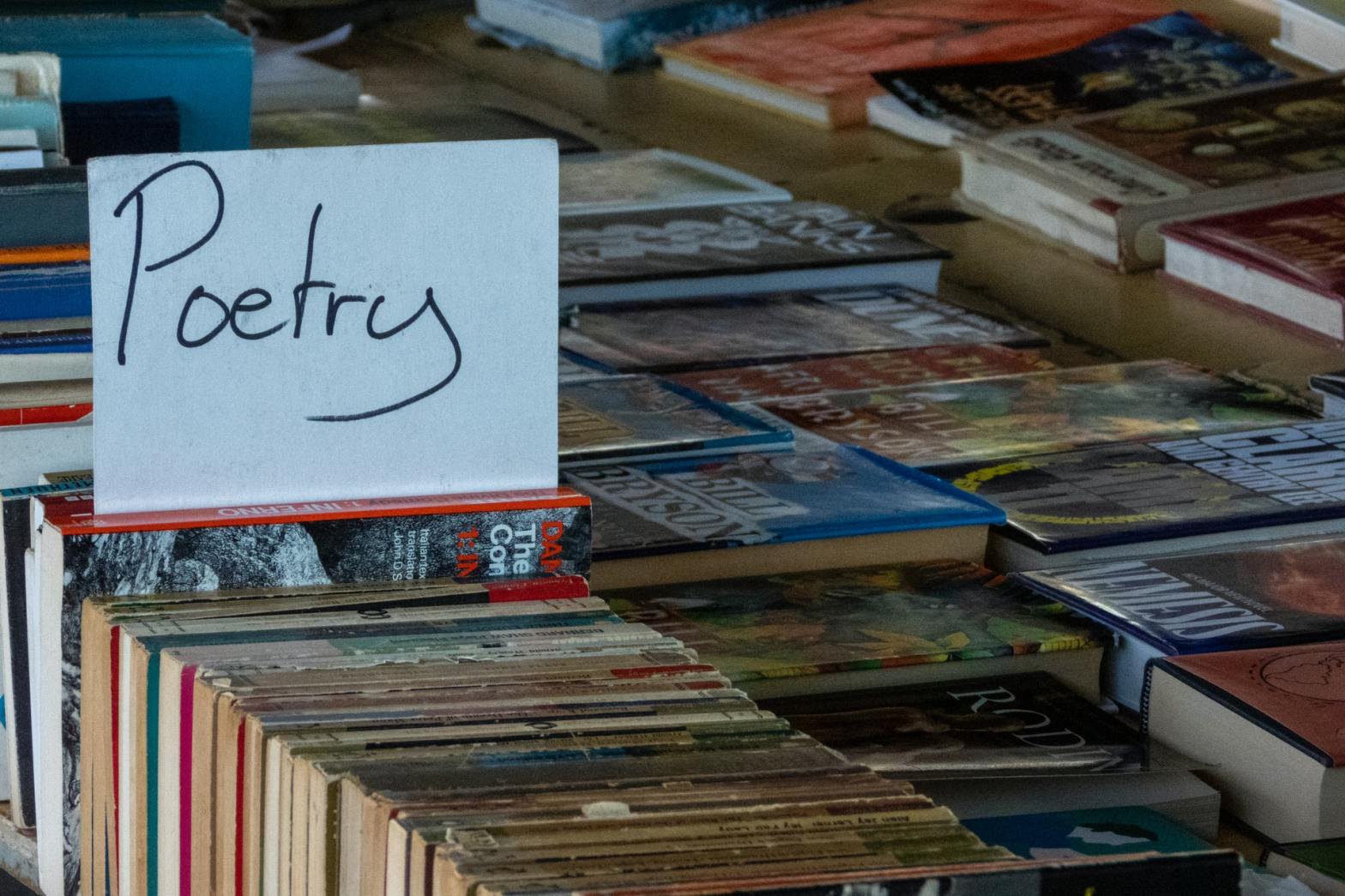
“We don’t read and write poetry because it’s cute. We read and write poetry because we are members of the human race. And the human race is filled with passion. So medicine, law, business, engineering… these are noble pursuits and necessary to sustain life. But poetry, beauty, romance, love… these are what we stay alive for.” –Walt Whitman. Leaves of Grass
Poems are great sources of inspiration. They make us laugh, fall in love, embrace sadness, look forward to new perspectives, and remind us of the beauty and grandeur that is life. These short literary artworks, often characterized by brief lines, numbered stanzas, and measured rhythm, have existed for thousands of years and have shaped nations, cultures, and ideas. But what exactly defines good poetry? Where do poets get their ideas? What are the sources of inspiration for timeless and classic poetry? I can think of five ideas that might answer those questions.
The Heart is Home to All Poetry
Human emotion is the oldest source of poetry. Long before Virgil, Homer, or Aeschylus, poetry already flourished in many ancient civilizations. Long before books and educational institutions, history already produced poets. The earliest forms of poetry were believed to be songs and chants about love, faith, fear, hopes, happiness, and grief. During the Classical Age, poetry is categorized as tragedy, comedy, or epic. Prior to that time, records also show worship poetry or songs and chants about faith and devotion. Today, faith and spirituality remain great sources of poetry. One modern example is poet Kathryn Coltrin. Inspired From My Heart by Coltrin is a collection of poems about God as a source of inspiration.
Extracting from Natural Sources
Many of us forget that nature is the most abundant source of inspiration. The rising and setting of the sun alone are enough to inspire you to write something about life. The changing of the seasons has inspired many poets and writers. The rivers, lakes, mountain streams, and even a simple afternoon rain can be a great motivation. Animals, flowers, clouds, trees, and fields are all waiting to be experienced and appreciated. There is no shortage of inspiration coming from nature. All you have to do is look at yet from another perspective. It doesn’t even need to be grand or complicated. What is important is you take your experience with nature and turn it into something special.
Adapting to New Forms and Style
Sometimes, writers have difficulty writing poems because they limit themselves to what is conventional and established. This doesn’t have to be so. Modern poetry has expanded the rules for creating forms and styles. The Dada movement and the rise of post-modernist art have paved the way for unique and fresh poetry. They challenged the boring and measured approach to poetry. And this was decades ago. So stop limiting yourself to a certain standard and explore the ever-changing styles and themes of modern poetry.
Inspiration Creates Inspirations
The past offers a wealth of inspiration waiting to be revisited. You can discover ideas from reading about classical poetry or not-so-distant works of literature. You can even find inspiration from your old manuscripts or drafts. Movies, songs, books, and other art forms are, in fact, also great sources of inspiration. You can examine their works, learn from them, or even borrow or improve on their works. The trick is to take a part of it and make it your own by expanding the theme or style or embedding something uniquely your own. To copy one’s work is one thing; to be inspired by another work and making a new one is another. Even great poets have done this at one point in their lives. Just do it.
Poetry in Progress is Also Great
Not all poems were written in one sitting alone, nor a brilliant idea already fixed on it. There are many great poems out there that were once products of progress. Some were tedious, some just ell into places over time. Most famous sonnets took months to finish. Many poems also took hours or just minutes for the poet to write. What I’m saying is that sometimes our experiences and emotions are works in progress. They reflect in our poetry, which is fine. Writing poetry is also like embarking on a journey. So go ahead and enjoy every word, every line, every stanza, every revision, and every session. Writing poetry is never a race, and some of the greatest poems are products of genuine progress.
 Trina’s Travel