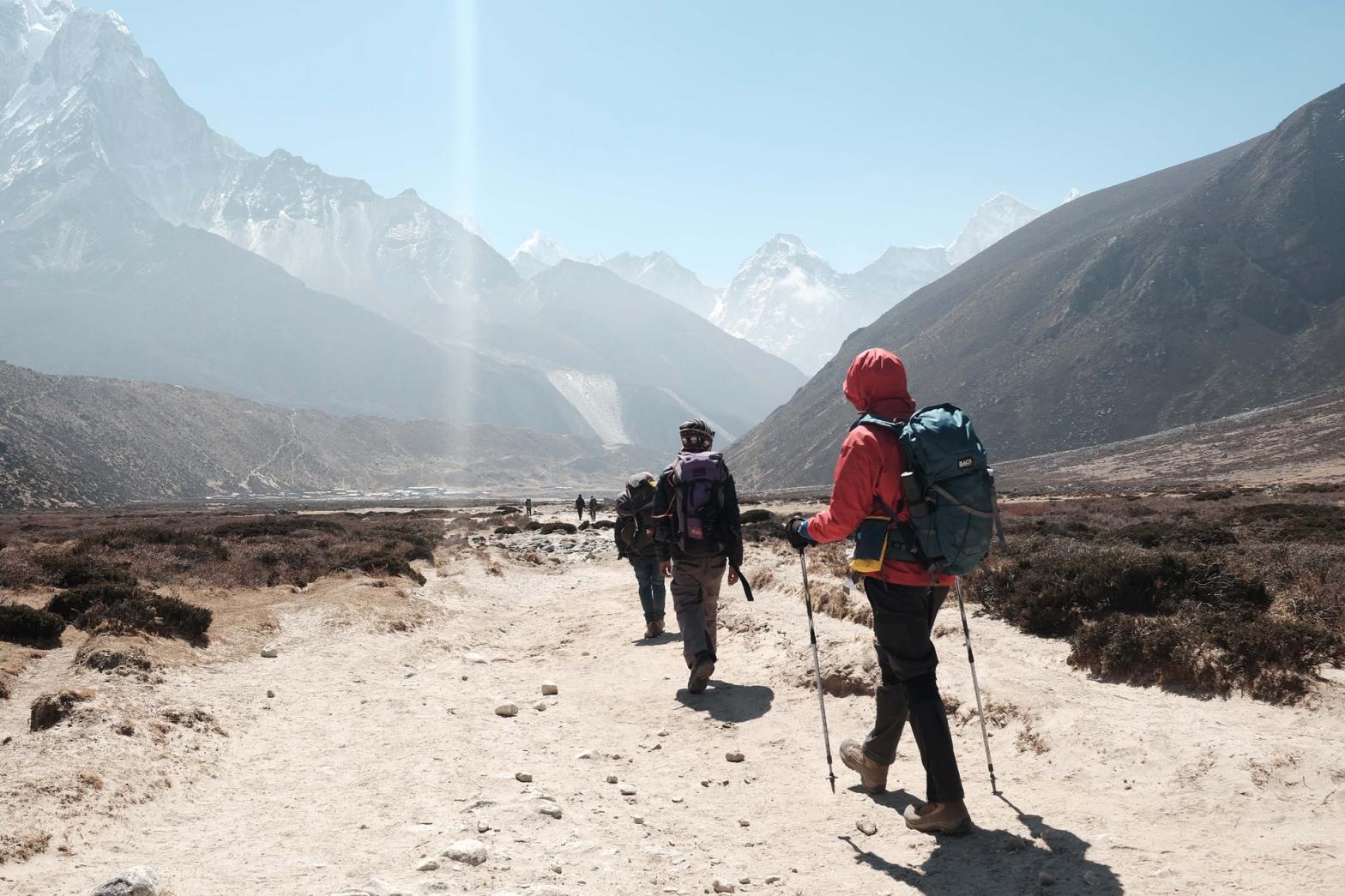
Surely by now many of us have begun to slowly crawl out of the confinements of our homes and explore the outdoor world every now and then, much more so now compared to a couple months ago when the world plunged into a reclusive paranoia out of fearful necessity. A highly important aspect of staying healthy while in lockdown is, in fact, going outside every now and then (while exercising proper safety precautions of course). Humans just cannot be cooped up inside a single confined place for too long without adverse downsides creeping up on them, mainly due to the fact that our species has only spent a small fraction of our existence indoors while we’ve spent the other thousands of thousands of years evolving outdoors – which isn’t quite hard of a concept to grasp.
The social nature of human beings and the profound, deeply-ingrained connection to nature is what draws the mankind back to the great outdoors, and in this modern day and age’s situation, many of us display a need to reconnect with nature by virtue of simply being outdoors, many times due to the fact that a whole lot of us self-exiled individuals are gradually regressing into chubby couch-potatoes that need to get up and start working out again once and for all.
There’s a strong enchantment to having a nice workout under the clear daytime sky – cloudy or otherwise. A woodland walk will leave you feeling reintegrated back into Mother Nature, and the roaring tides on the final miles of your coastal jog provide a highly-necessary diversion from the hustle and bustle of modern urban life, because a routine done outdoors can also help the mind and body spectacularly. Nature has all sorts of invisible factors which influence us. When we take in the negative ions on the beachside from the seawater, this travels straight to our brains and balances the positive ions that emanate from machines that induce fatigue. This means that whenever you exercise your muscles in an outdoor routine, a sequence of many other health advantages is happening behind the scenes. Laurie Bagley, a critically-acclaimed author as well as a health coach an athlete, embodies this connection to physical fitness in nature.
There is a significant multitude of advantages to being outdoors, for both the mind and body, such as reducing stress, sleeping well, enhancing your emotional wellbeing, improved nutrition, and satisfaction. That’s because all the perceptions are engaged in a euphorically contented mode simultaneously. You’ve got this vast scenery that’s appealing to the mind, the gentle sound of the ocean, the feeling of the sand between your toes, the cool air you’re taking in, and the beauty of existing as one with Mother Nature. What more could there be to enjoy?
A whole lot, actually. Here are some scientifically-proven advantages of outdoor-based workouts.
Natural training benefits
Sand is the blessing that continues to deliver. A series of scientific studies conducted by the American College of Sports Medicine have reported to have discovered the fact that plyometric exercise like running or jumping means that there is significant less impact—selecting the boundary where water and sand intersect to allow the optimal traction — and therefore about 30 percent more calories are burned compared to running on a solid surface. Furthermore, your shape can spontaneously change as you run barefooted on the beach, shocking the sweeter mid-foot location which is more relaxed than a heel impact, the studies have shown.
According to many athletes, the change from pasture to dirt (for strides, long runs, and scrimmings) improved their heart rates and load of training, and boosted their cardiovascular capacity in a couple of weeks, while less fatigue and exhaustion were experienced throughout the routine. On the other hand, ikers have been known to claim that they feel more alert, energy-conscious, carefully prepared, content and more relaxed than the treadmill-induced emotions in general. Following their exercise, the climbers said they felt less exhausted. In general, it was physically and psychologically easier for trekkers to do a workout, while outside and indoor walkers completed the very same level of exercise.
It’s time-effective and benefits nature
Constantly innovate and curate the environment of your routine and schedule an intense workout session on the nearest running track, slope or staircase, for example. Training places are also nearer than you assume! The use of nearby outdoor areas saves time and environmental assets, since your automobile does not have to be trained. Were you aware that we have planned, produced, packed and shipped our own training goods to their end destination all while minimizing environmental destruction? Working out at your local outdoor spot is good for the environment and yourself as well.
It helps us increase our endurance
exercising outdoors decreases perceived effort and encourages people to aim for higher workloads, which can help to increase the frequency and duration of physical exercise done and the desire to proceed. With this being said, it isn’t always feasible to do outdoor workouts, and fitness centers have their upsides at times too —protection from the weather when you need it, and facilities such as childcare, group lessons, and private lessons to mention a few. However, it’s always best to revisit and rejuvenate ourselves in nature when we can – outdoor workouts work more wonders than meets the eye.
 Trina’s Travel
Yes! Thank you for sharing this. A must read for many people. Jessie and I make a point to get out to nature at least a few times a week, even if just for a walk through the neighborhood. Keeping that connection to the outdoors strong has helped us stay grounded during these difficult times! Best to you, and safe travels!
LikeLike