The series of cosmic events that unfolded in space so many eons ago had precisely provided the perfect conditions for complex life in the universe to come into existence and flourish as it pleased- eventually giving rise to a dominant, sentient species known as man. This ever-changing game of evolution has rapidly spurred the advancement of countless species in a wide array of non-constant habitats over the course of millions upon millions of years, allowing for a seemingly infinite variety of biodiversity in all animal kingdoms and in all conceivable environments to populate the planet. Even the most hostile and unforgiving crevices of Planet Earth have resilient microorganisms (and even entire complex-celled animals) that brave the harsh and seemingly unlivable extremes that our planet has to offer- and they call it home.
With such a massive amount of biodiversity on our planet, it’s no surprise that the rarest of the rare, the legends from the myths, and the downright most shocking creatures to have ever walked the earth have come into contact with us human beings at many points in time throughout history, even until today. Author and South-Central Missouri resident Mike Honeycutt, who’s an expert huntsman and outdoorsman, has traveled land and sea in search of the most peculiar species he could find.
There’s definitely no shortage of weird and unsettling animals out there. Those animals may even think we look as weird and foreign to them the same way they do to us. So, without further ado, here are some of the most extraordinarily unique creatures to have ever exist on Planet Earth:
- Mantis shrimp
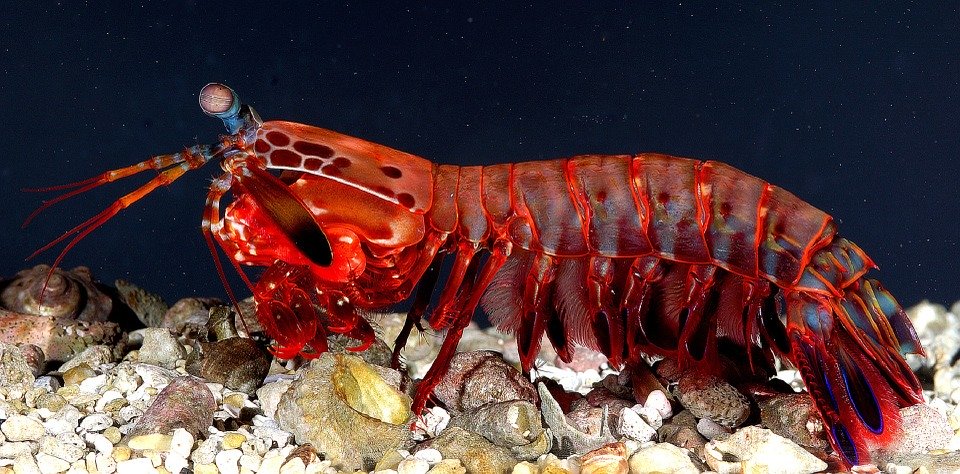
Mantis shrimp are prehistoric, ferocious and stranger than normal strip of course. Different species of mantis shrimp have existed for around 400 million years, but are not like any other shrimp in their genus. They are so abnormally powerful that they can crack crab shells and burst open oysters with their limbs, labeled “clubs” (a few other varieties have daggers that are equivalently fearsome, instead of clubs)
Often, these weapons can be used to deliver about 500 attacks in less than a second, generating enough energy to crack glass. And since these shrimp have amazing visual acuity (they can look in both directions at the same time), they strike with precision on point.
- Sun bears

Sun bears are just the tiniest bears in the whole wide world, with very many full grown males weighing less than 100 pounds. And what truly set them apart from normal bears are their exceptionally long tongues that can be up to 9 inches. Often recognized as “honey bears,” the sun bears climb trees to collect honeycombs, and their tongues help tremendously when they eat their goodies.
Sadly, illegal logging is adding to the decline in population. But you can still see them in Southeast Asia, where, unlike their North American cousins, the sun bears live in the rainforest climate. The territories of Sumatra and Borneo are especially excellent areas to enter to their ecosystem.
- The Goliath Bird-Eater
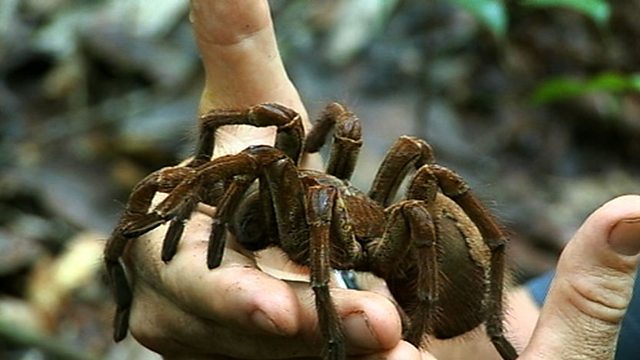
The second biggest arachnid in the world is the goliath bird-eater (Theraphosa blondi), which is a cousin of the tarantula. It was given its frightening name after Victorian expeditions encountered one eating a large hummingbird.
Despite the name of the spider, birds are not the primary food source of the goliath bird-eater. They tend to consume bugs and other invertebrates, while they rarely feed tiny vertebrates. Big spiders are not usually deemed harmful to humans, but they may strike if irritated, leaving a mark as severe as a wasp sting. They may even emit skin-irritating hair.
- Maned Wolf

Having adapted to survive in tall grass marshlands, the maned wolves have a dense red coat, long black legs and tall, upright ears. The maned wolf is the biggest canid in South America. It seems more like a fox with exceptionally long legs than an actual wolf.
Maned wolves inhabit Central and Eastern South America, namely, Southern Peru, Southern and Central Brazil, Northern Argentina, Bolivia, and some parts of Paraguay. They reside in the protected, main ecosystem in South America, made up of wet and dry trees, grasslands, savannahs, swamps and wetlands.
The life cycle of mane wolves in the wild is uncertain. With human-provided medical treatment, the normal life span is 6.5 years, with a median of 12 to 15 years.
- Red Panda
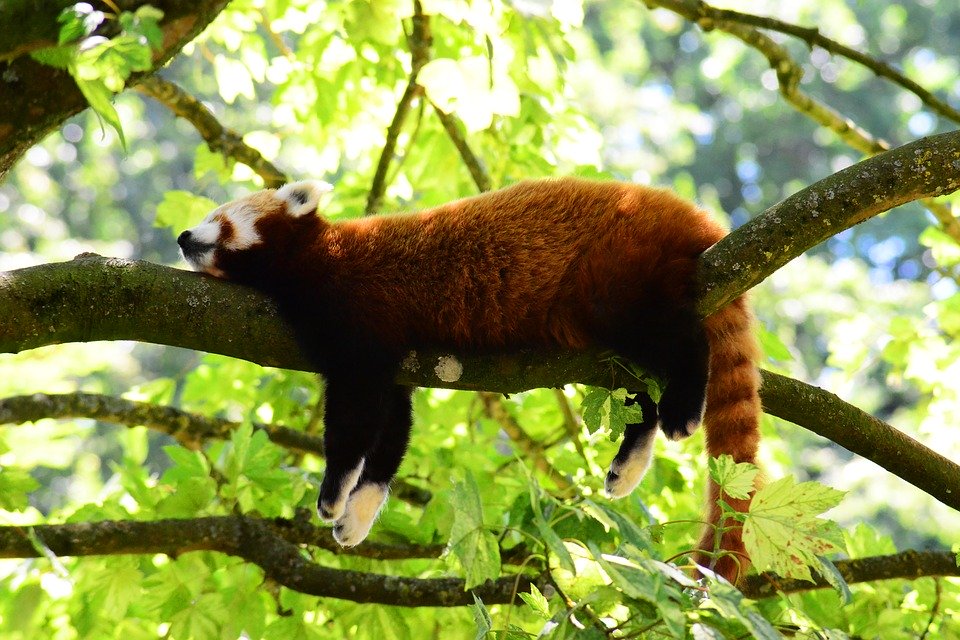
Red pandas are tiny animals with large, fuzzy tails and white and red patterns. Although their names sometimes lead to being mixed up with the most common giant panda of the same name, they aren’t biological cousins so to say. In reality, the word ‘panda’ was first given to these species, not to the bigger black-and-white bear.
Red pandas have broad oval heads and small snouts with wide, sharp ears. Their fur is reddish-brown, while their heads are largely white with red ‘tear tracks’ reaching from their eyes to the corners of their mouths, which can help them protect their eyes from the heat of the sun.
They have thick, bushy legs, contrasting red and white bands. The tail allows them to keep their equilibrium as they scale trees. Large, strong claws enable them ascend to the tallest trees in order to sunbathe or hide from threats.
 Trina’s Travel