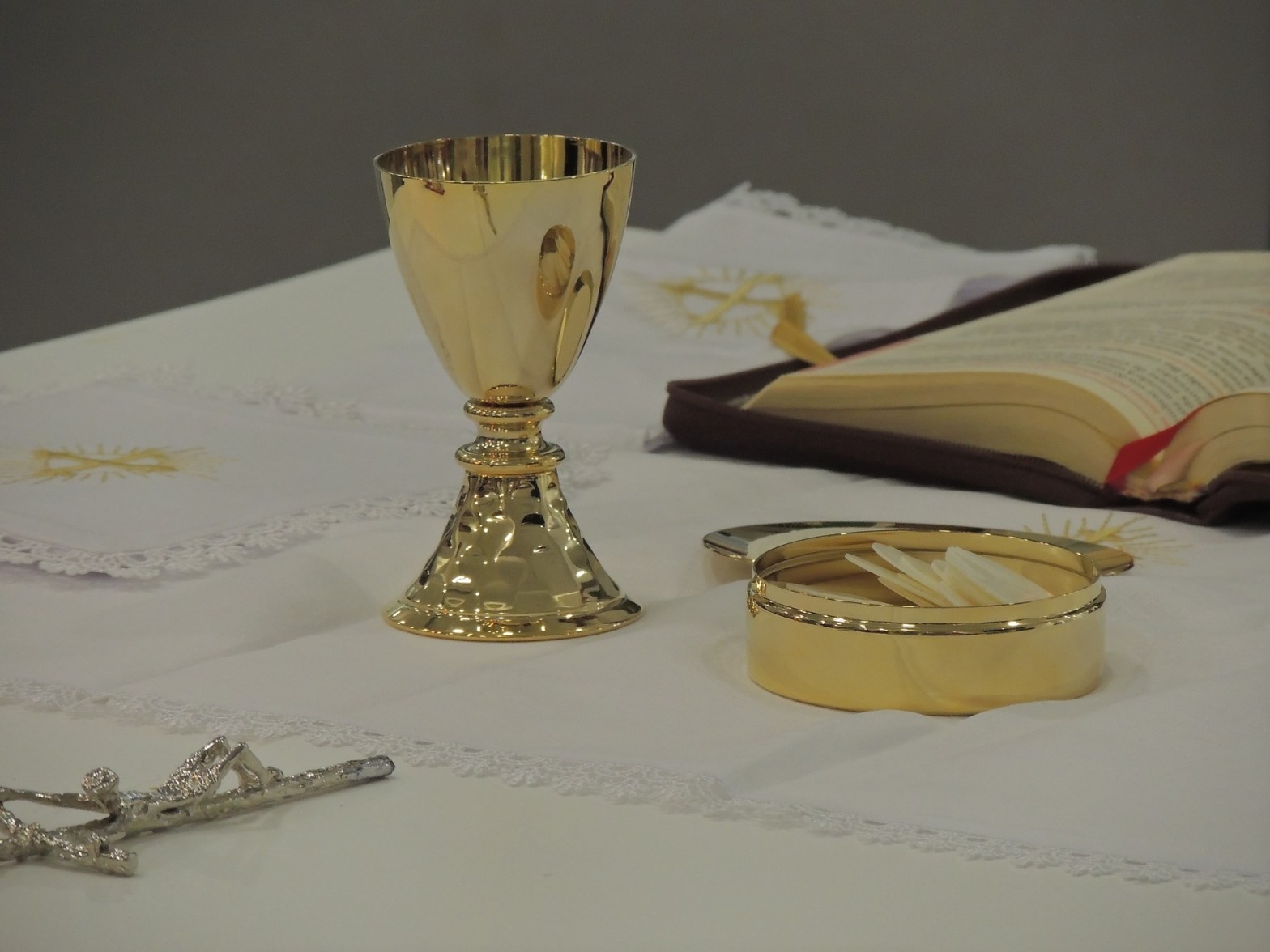
Consecration is the major theme of Philip Wittig’s book on God’s judgment, Apostasy Can Lead a Nation to Self-Destruct: Will America Mends Its Ways and Return to God?. The author, who is a lifelong Lutheran and retired Navy man, sums up the theme in the first paragraph of his book:
The consecration and dedication of a nation and its people to God creates a sacred trust relationship with God. For His part of that relationship, He surrounds that nation with His hedge of protection to prevent harm or danger to that nation and its people. In response, the nation and its people are to honor and obey His laws and commandments and not worship any other god but Him.
What is a consecration?
Consecration is a well-known term – and practice – in the history of religion and spirituality. It has biblical roots, and became the quest of many prophets and righteous men and women.
Consecration means “to make holy”, so in the biblical sense, to consecrate is to purify, to sanctify, to make acceptable a person, place or object to God by prayers, rites, and ceremonies.
Throughout the Bible, we read about persons being consecrated to divine service and things dedicated to the worship and thanksgiving of God. In the Book of Exodus, the acts of consecration were applied to the Israelites, whom Moses designated as the People of God, and Aaron and his sons (ordination or priestly consecration). In the Book of Numbers, the Levites and the Nazarites consecrated themselves to God (personal consecration). The acts of consecration of certain objects – temples, altars, first fruits, etc. – were described in the Old Testament.
Anything that has been consecrated to God might not be profaned. Therefore, when we make an act of consecration to God, it is made ultimately to God with the understanding that our consecration is a serious commitment on our part to respond faithfully to God’s grace at work in our lives.
So, when reflecting on the various acts and rites of consecration, we get to understand the deeper meaning and purpose of consecration:
- It is God who consecrates
There is room for only one type of consecration: the one made by God himself.
Only God can set aside a person (such as Moses, Jeremiah, Samson, Samuel, and John the Baptist) and make him or her sacred. God communicates His holiness to us and gives us participation in His holiness. We participate in His holiness by consecrating ourselves to Him.
He who created us in His image and likeness wants us to be in His image. This is what entails an act of consecration.
- Consecration is to present ourselves to God
Consecration is an act. It is the embracing of God’s likeness – and presenting ourselves to Him. Not only He wants us to be in His image but also to belong to Him in a new way. To belong to God, we first need to offer ourselves to Him as a living sacrifice (making a personal consecration).
When you consecrate yourself to God, He will do things in you, with you, for you, and through you that will amaze you. God wants to do amazing things for us, through us and in us. However, He will not work with anyone who has not first offered himself or herself to Him. For God to do the work that He desires in us, we first need to offer ourselves to Him.
Is it necessary to offer ourselves to Him? It is so He can freely work in us all that is in His heart. He cannot freely work in us if we do not consecrate ourselves to Him. How can He do amazing things for us and in us if we have not given Him the right to do so?
- Consecration is conformity to God’s will
Consecration is more than just going to church, tithing, quoting Scripture, sharing your faith, or joining a ministry. While all those things are good, it is not consecration. Consecration is surrendering all of you to all of Him.
By surrendering to God’s will, you recognize that all your time, energy, and money belong to Him alone. It also means that your hands, feet, mouth and all other parts of your body belong to God. You dare not use them yourself.
As someone consecrated to God, you are set apart for the exclusive use of God. Consecration, after all, is a childlike trust in your Heavenly Father. You have to put yourself in God’s hand before He can work through you, for you, and in you.
Once you consecrate yourself to God, you can never return to your former life. Consecration is a lifelong commitment to God. To be consecrated to God is to live only for the sake of praising and worshipping Him.
 Trina’s Travel