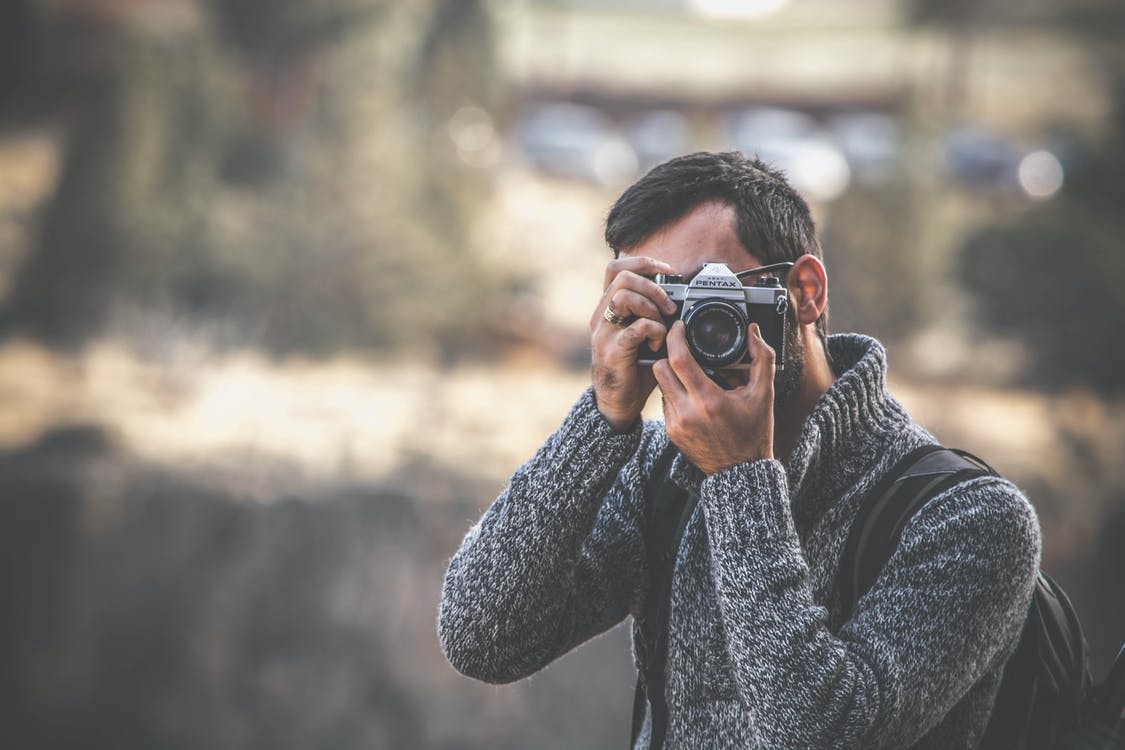
Photography is the craft, implementation, and procedure of making hardwearing photographs through capturing light or electromagnetic beam with the use of an image sensor or light-sensitive material. There are various types of photography, such as the photography, fine-art photography, photojournalism, street photography, landscape photography, fashion photography, travel photography, portrait photography, wildlife photography, documentary photography, and more.
The development of this art dates back in 1826 when the first picture in the world was captured by Nicéphore Niépce. From negatives to colored pictures, photography has successfully achieved and is currently living its glory days. As of the 21st century, a lot of people have fallen in love into this craft. For some, it was just a hobby while for others, it is a passion. The burning desire to pursue photography pushes people to harness this art and capture wonderful and awesome images along the way.
Furthermore, this art have already touched many platforms — the literary avenue, for example. There have been various photography books available in the said industry. These books showcases wonderful photographs from outstanding photographers all over the world. In the online corner, on the other hand, there are plenty of photography websites and blogs that were created from people who enjoy this art. Some of these sites displays beautiful and inspiring photos of different subject, such as wildlife, landscapes, and even travel photos. Nicki Geigert’s photo tours to Madagascar is a great example of travel images that were taken from Madagascar during the photographer’s trip to the land, which can be found in his photography site.
Since the photography industry is blossoming and attracting a lot of patrons to try this craft, listed below are the six basic elements of photography that every aspiring photographer must know.
Line

It can come in different forms, such as vertical, horizontal, parallel, curve, and uneven. Line, in photography, also means as the spot that manoeuvers or that is going towards something. The watcher’s eye are innately brought along the lines. Images that is composed of leading lines are typically railways, long roads, buildings, bridges, and more.
Shape/Form
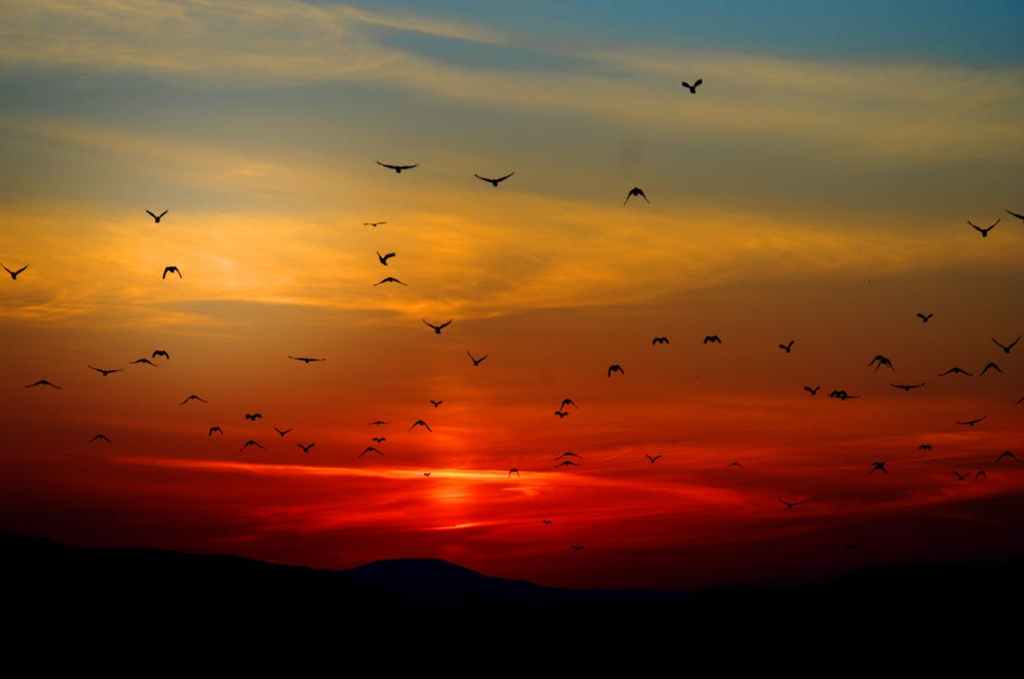
Shape pertains to any two-dimensional photographs. However, unlike objects, these captured images do not have the any emergence of depth. Form, on the other hand, refers to the pictures that have three-dimensional appearance that are commonly created by utilizing the lights and shadows. Both of these elements are frequently confused with each other for they have almost the same characteristics. Examples of shape are silhouetted pictures of boats, trees, birds, and more.
Space

Space may refer to either the positive or negative space that one can utilize In order to create a statement. It is typically the action of putting visual space before the direction that the subject is moving, watching, or pointing to emphasize movement and direction, as well as to guide the viewer’s eyes. Thus, this element is important because this will indicate the position of the subject in the photo.
Texture

It pertains to the visual features of the subject’s surface. It can be displayed by the disparities in shape, depth of hues, and variations of tone. The usage of lighting uncovers the wonderful details of the subject, which removes the difficulty of evaluating if the object’s surface is rough or soft. That said, this element showcases life and vibrancy to photographs that would turn up flat and boring otherwise.
Pattern
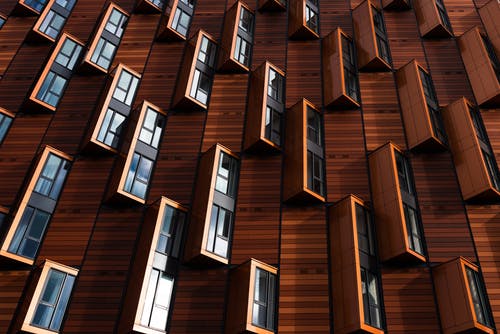
This element uses repetitive aspects, such as the reappearance of lines, forms, tones, or hues. These repetition of elements surprisingly creates wonderful photographs. Some utilize this aspect as the main subject to their images, while others use it in order to improve the total composition and appearance of the picture. There are various examples of this aspect, like a herd of zebras, a garden of tulips, a bunch of trees, a handful of the same type of stones, and more.
Color

The use of color in photography is important for it sets the mood of the photograph. It is also significant to utilize this element relevantly in order not to ruin the image and maintain the dynamic aspect that makes it pleasing to the eyes of the viewers. For example, bold hues and vibrant compositions make the pictures very satisfying and nice to look at. The appropriate utilization of hues will enhance the overall appearance of one’s pictures; thus, it is a perk that a photographer gets to enjoy for he or she can definitely sell his or her photographs.
The mentioned elements are, indeed, necessary in capturing perfect and beautiful pictures. These aspects will definitely help those start-up photographers to uplift their game and get along with those who have long been harnessing this craft. Also, a lot of aspiring photographers will learn and apply these elements when taking pictures of their subjects; thus, producing photographs with amazing compositions and details.
 Trina’s Travel